
Spring Home Maintenance Checklist for Wayne & Onondaga County NY Homeowners
The Complete Spring Home Maintenance Guide for Wayne and Onondaga Counties, NY
By the Building Materials Specialists at Secor Lumber Company | Serving Wayne & Onondaga County, NY | Updated March 2026
Spring in Wayne County and Onondaga County is the season when your home tells you what winter did. Snow loads, ice, wind, and weeks of freeze and thaw can loosen fasteners, open seams, and push moisture into places you cannot see from the driveway. A smart spring routine helps you catch small problems early, protect structural wood components, and plan upgrades before summer humidity and thunderstorms arrive.
This guide is designed for Upstate New York homeowners, including those in and around Syracuse, Liverpool, Baldwinsville, Clay, Cicero, Manlius, Skaneateles, and the towns and villages across Wayne County. It focuses on practical inspection steps, common regional issues, and clear next actions.
Why spring maintenance matters in Wayne and Onondaga counties
Our region’s winter pattern creates a specific set of risks. Temperatures hover around freezing for long stretches, which means expansion and contraction happen repeatedly. Snowmelt saturates soil and can drive water toward foundations. Ice dams can force water under shingles. Wind-driven precipitation can exploit tiny gaps around trim, soffits, and siding.
Spring is the best time to inspect because many winter issues are still visible, but you can work safely in milder temperatures. Repairs and material upgrades done in April and May also have time to cure and settle before peak summer weather.
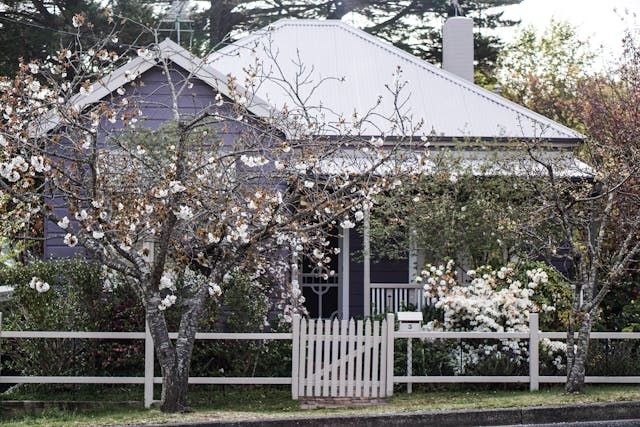
Spring maintenance priorities at a glance
- Stop water first: roof edges, gutters, downspouts, grading, and foundation perimeter.
- Protect structural wood: attic framing, rim joists, sill plates, deck ledger connections, porch framing.
- Seal the envelope: siding, trim, caulk, flashing, windows, and doors.
- Plan smarter renovations: sequence projects so moisture and structural issues are fixed before cosmetic upgrades.
Exterior spring inspection checklist for Upstate NY homes
1) Roof surface and roof edge checks
Start with a ground-level visual inspection. Use binoculars if needed. You are looking for missing shingles, lifted tabs, damaged ridge caps, and uneven roof lines. In Wayne and Onondaga counties, ice and wind can be a rough combination, especially on older roofs and roofs with complex valleys.
- Check for shingle loss, curling, or exposed nail heads.
- Look for damaged flashing around chimneys, vent pipes, and dormers.
- Inspect valleys for debris buildup and signs of water tracking.
- Check soffit vents and ridge vents for blockages.
If you notice staining on fascia or soffits, it often points to overflow from ice dams or clogged gutters. Fixing drainage and ventilation is usually more effective than repeatedly repainting.
2) Gutters and downspouts
Gutters are one of the highest return maintenance tasks you can do in spring. When gutters back up, water runs behind fascia boards, wets the roof edge, and can soak exterior walls. That moisture can migrate into wood framing over time.
- Remove leaves, grit, and roof granules.
- Confirm gutters slope correctly toward downspouts.
- Tighten loose hangers and check for seam leaks.
- Ensure downspouts discharge away from the foundation.
A practical standard for our region is to extend discharge several feet away from the house and keep splash zones from forming near the foundation. If you see recurring pooling, consider longer extensions, buried drain lines, or regrading.
3) Siding, trim, and paint condition
Spring thaw often reveals where water has been sneaking in. Pay attention to corners, window trim, and any location where two materials meet. These are common failure points in older homes across Syracuse-area neighborhoods and many villages in Wayne County.
- Check for soft spots in wood trim and fascia with gentle probing.
- Look for peeling paint that may indicate moisture behind the surface.
- Inspect caulk lines around windows, doors, and penetrations.
- Confirm flashing is present where siding meets rooflines.
If you are planning to repaint or upgrade siding this year, treat spring as the time to fix the underlying moisture cause first. Paint alone does not solve rot.
4) Decks, porches, and exterior stairs
Decks and porches take the brunt of winter, especially where snow piles up and refreezes. In Wayne and Onondaga counties, shaded sides of homes can hold moisture longer, which increases the risk of rot at fasteners and joints.
- Inspect the ledger board where the deck attaches to the house.
- Check joists, beams, and posts for cracking and softness.
- Test railings for movement and tighten as needed.
- Look for corrosion on fasteners and connectors.
If you find weakness at the ledger connection, address it immediately. This is one of the most critical safety points on a deck. Spring is also an ideal time to plan upgrades like improved connectors, better post bases, and properly rated fasteners for treated lumber.
5) Yard grading, drainage, and exterior water control
Spring is when water patterns become obvious. Walk your property during or after a moderate rain and look for the path water takes. In many Upstate neighborhoods, downspout discharge and compacted soil cause water to collect right where you do not want it.
- Confirm soil slopes away from the foundation in the first few feet.
- Check that sump pump discharge is directed away from the home.
- Clean window wells and confirm drains are clear.
- Trim back shrubs and vines that trap moisture against siding.
Interior spring checklist for moisture and structural wood protection
6) Attic inspection for leaks and ventilation issues
After winter, the attic is a key diagnostic space. Even if you never saw a ceiling stain, moisture can still travel along framing or insulation. Bring a bright flashlight and look carefully.
- Look for dark staining on rafters, trusses, and roof sheathing.
- Check for damp insulation or compressed insulation near eaves.
- Note musty odors, which can signal trapped moisture.
- Confirm vents are not blocked by insulation or debris.
Ventilation and air sealing are long-term investments. A well-ventilated attic reduces ice dam risk and protects wood framing from persistent dampness.
7) Basement and crawl space: focus on sill plates and rim joists
In spring, snowmelt can raise soil moisture and expose drainage weaknesses. In older homes, rim joists and sill plates may be especially vulnerable, particularly if there are historic moisture issues or poor ventilation.
- Check for dampness at the sill plate line and rim joists.
- Look for signs of mold, efflorescence, or wood decay.
- Confirm dehumidifiers are working and drains are clear.
- Inspect for pests, since moisture attracts insects and rodents.
If you see repeated dampness, address the cause. Downspout extensions, grading, and gutter repairs often provide the biggest improvement. For wood repairs, use materials appropriate for contact conditions, such as pressure-treated lumber where required and properly rated fasteners.
8) Windows and doors: drafts, movement, and water intrusion
Spring is a good time to check how your home is moving and sealing after winter. Small shifts can show up as sticking doors, new gaps, and cracked trim.
- Test doors for alignment and latch ease.
- Look for water staining at window corners and sills.
- Replace worn weatherstripping.
- Re-caulk exterior joints where needed, using products rated for temperature swings.
Plan renovations the smart way: combine spring checklist with project sequencing
Many homeowners in Wayne and Onondaga counties use spring to kick off improvement projects. The best results come from sequencing work in a way that protects structural systems first and finishes later. This reduces rework and prevents new materials from being installed over unresolved moisture problems.
Step 1: Fix water management before cosmetic upgrades
If you plan to paint, re-side, or replace trim, start with gutters, downspouts, grading, and flashing. Water control protects your investment and improves the longevity of wood products. It also improves indoor comfort and can reduce energy loss.
Step 2: Address structural wood connections before rebuilding surfaces
Deck resurfacing, porch upgrades, and exterior repairs often fail when attachment points are ignored. Before you replace deck boards, verify the ledger, fasteners, and framing members are sound. Replace compromised components now, not after new boards are installed.
Step 3: Check adjacent hard surfaces and supports before installing new wood
Exterior projects often involve multiple materials that meet at critical interfaces. Before framing begins on a porch or entranceway, ensuring the existing masonry such as steps or foundation walls is structurally sound helps wood framing and lumber last longer. Issues like foundation cracks, deteriorated mortar, or worn exterior steps can compromise the support of wood framing over time. In cases like those, working with experienced masonry restoration professionals such as A-Z Construction & Restoration helps ensure masonry elements are stable before wood materials are installed or reinforced.
This is a practical planning mindset, especially for older homes where one repair can reveal another. It keeps your renovation durable and reduces the risk of callbacks later.
Special note for older homes: chimney inspections in our area
Many homes across Wayne and Onondaga counties are decades old, and it is not unusual to find houses that are roughly 100 years old in established neighborhoods and village centers. In spring, add chimney inspection to your checklist, especially if your home is older or you use a fireplace or wood stove.
- Look for missing or crumbling mortar at the chimney crown and joints.
- Check for spalling brick and signs of water entry near flashing.
- Watch for interior staining around the fireplace or chimney chase.
- Schedule professional inspection if you see damage or have not had an inspection in years.
Chimney issues can allow water into roof and wall systems, which can ultimately affect nearby framing. Catching problems in spring helps protect the surrounding wood structure before summer storms.
Spring maintenance mistakes Upstate homeowners should avoid
- Painting over moisture damage: replace compromised material and fix the water source first.
- Ignoring the deck ledger: surface boards do not matter if the connection to the house is failing.
- Delaying gutter work: water overflow can quietly damage fascia, soffits, and walls.
- Skipping attic checks: small leaks often show up in the attic before you see ceiling stains.
- Starting renovations without sequencing: do structural and water-control work before finishes.
A simple spring timeline for Wayne and Onondaga counties
Late March to early April
- Ground-level roof check and attic moisture inspection
- Gutter cleanout and downspout discharge fixes
- Basement moisture check and dehumidifier setup
Mid April
- Deck and porch structural inspection
- Trim and siding gap checks, caulk planning
- Drainage observation during rain events
Late April to May
- Material repairs and replacements
- Seal and stain work as temperatures stabilize
- Renovation kickoffs with proper sequencing
Frequently asked questions for Upstate NY spring home maintenance
FAQ 1: What should I inspect first each spring in Wayne and Onondaga counties?
Start with water control and structural protection. Check the roof edge, gutters, and downspouts first, then inspect the attic for leaks and ventilation issues. After that, evaluate decks, porches, siding, and basement moisture. These steps address the most common winter-related damage patterns in Upstate New York.
FAQ 2: How do freeze and thaw cycles affect wood trim and framing?
Freeze and thaw cycles cause materials to expand and contract repeatedly. This movement can open small gaps, loosen fasteners, and allow water to enter joints. Over time, repeated wetting can lead to rot in trim and can impact structural members like rim joists and sill plates, especially where drainage and ventilation are poor.
FAQ 3: When should I reseal or stain my deck in Upstate New York?
A common best practice is late spring, after surfaces have dried and temperatures are consistently above the product’s minimum application range. Prep matters. Clean the deck, allow it to dry thoroughly, replace damaged boards, and confirm fasteners are secure before applying stain or sealant.
FAQ 4: Why does my basement feel damp in spring, and what should I do?
Spring dampness is often caused by snowmelt and saturated soil pushing moisture toward the foundation. Improve gutter performance, extend downspouts, correct grading, and consider a dehumidifier for indoor control. Inspect sill plates and rim joists for early signs of moisture impact, since persistent dampness can damage wood over time.
FAQ 5: Do older homes in the Syracuse area need spring chimney inspections?
Yes, especially if your home is older or you use a fireplace or stove. Many homes in Wayne and Onondaga counties can be around 100 years old, and masonry and flashing details may have aged. Spring is a good time to look for mortar deterioration, spalling brick, and water entry near the chimney, then schedule a professional inspection if you see concerns.
